
An engine warning light, hesitant acceleration or reduced power can lead to a familiar suggestion: replace the airflow sensor. But before buying a MAF or MAP sensor, it helps to know that these are different components, and an unexpected reading does not always identify a defective part.
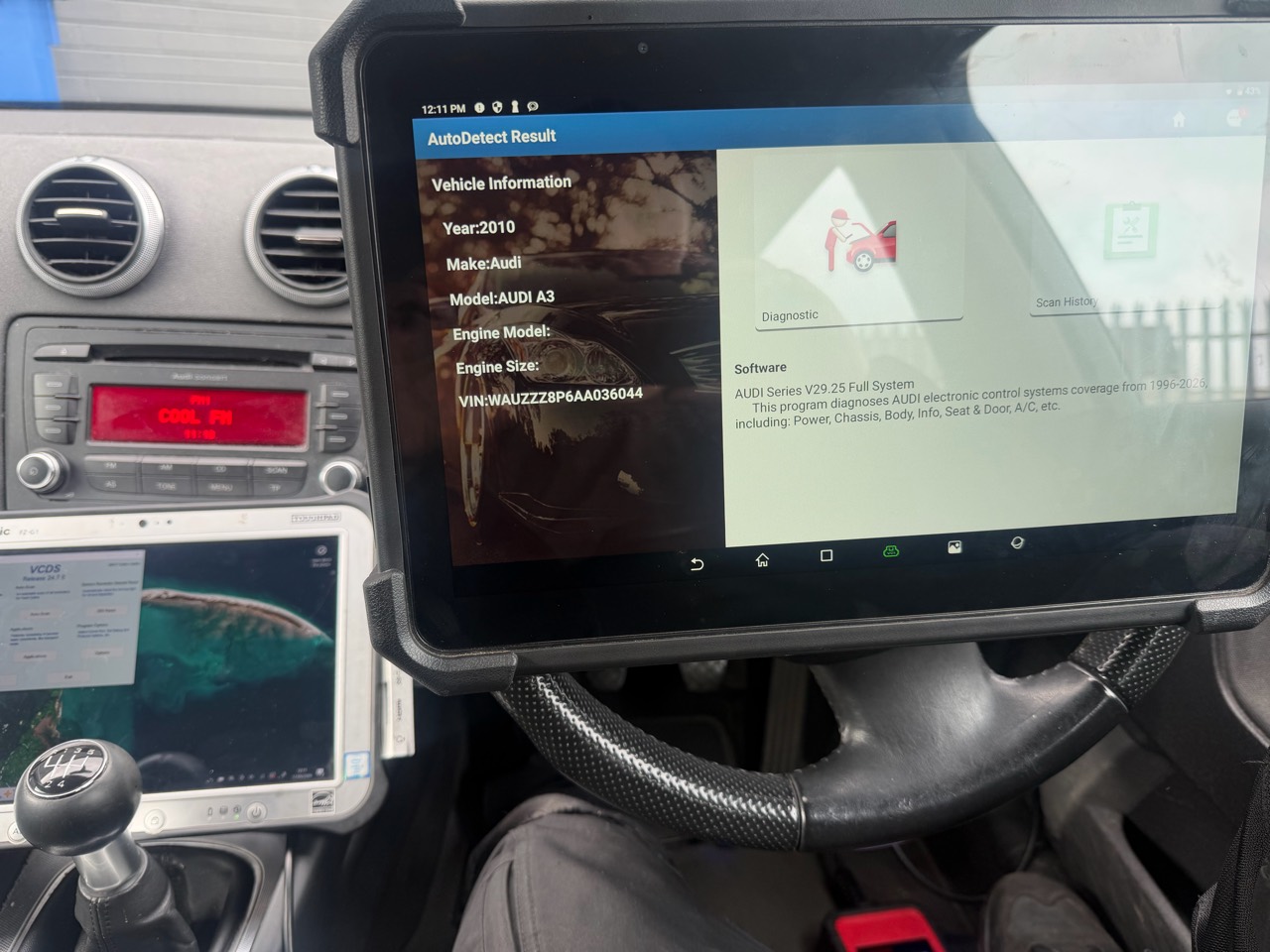
At Prestige Performance Group in Newtownards, we investigate the vehicle's symptoms and supporting evidence before recommending replacements. The aim is to explain what the test results mean, not simply sell the component named on a scan report.
MAF and MAP: What Is the Difference?
MAF means mass air flow. This sensor measures the mass of air entering the engine. The engine control unit uses that information as part of its management calculations. HELLA's air-mass sensor guidance explains its function and the importance of checking the component and electrical connections.
MAP means manifold absolute pressure. This sensor measures pressure rather than directly measuring air mass. Depending on the system, pressure information contributes to the engine's calculation of air intake and control of operation. Some units combine pressure and intake-air temperature sensing. HELLA's pressure and temperature sensor explanation describes this arrangement.
The names are not interchangeable. Your vehicle's particular system determines which sensors are fitted, where they are located and what readings should be expected.
Why a Fault Code Is Not a Parts Order
An ECU monitors whether signals and operating conditions make sense. A stored fault is useful evidence, but the wording alone does not establish whether the cause is the sensor, its electrical supply or another part of the system.
Tell us the complete code and description, not just "airflow fault". We also need to know which vehicle produced it and what was happening at the time. A screenshot can help, particularly if another workshop has already investigated the complaint.
Buying one sensor because a code mentions airflow, then buying another when the warning returns, can become an expensive way to investigate a fault.
Can a Good Sensor Report an Unexpected Value?
Yes. The reading must be considered alongside engine operation and the information used to judge it.
Motorservice's air-mass testing guidance explains that intake leaks, unsuitable or contaminated filters, sticking intake components and EGR faults can affect the interpretation of air-mass readings. A sound sensor may be reporting a real condition elsewhere in the engine's air system.
That does not mean sensors never fail. It means we need to distinguish a faulty measurement from an unexpected but genuine condition before choosing a repair.
If your scan also shows an EGR-flow complaint, our EGR fault guide explains that related investigation. It is a different question from assuming that either sensor automatically needs replacing.
What Could Be Wrong With a MAP Sensor Reading?
MAP-related complaints can involve the sensor itself, electrical connections or the conditions it is measuring. In its guidance on petrol-engine manifold-pressure faults at idle, Motorservice distinguishes sensor or wiring checks from investigating an abnormal pressure condition, including intake leaks. Other engine systems require their own appropriate procedure.
Symptoms such as poor response, unstable idling or loss of power are useful to report, but they do not distinguish those possibilities by themselves. We need the actual readings, the vehicle specification and appropriate checks.
A universal pressure figure copied from another engine is not enough. Nor should a value be condemned without confirming the units and operating conditions under which it was recorded.
What We May Check at the Workshop
Depending on the vehicle and complaint, our investigation may include:
- Confirming vehicle and engine identification.
- Reviewing faults, previous repairs and the conditions recorded with the warning.
- Examining relevant live readings together rather than in isolation.
- Inspecting accessible connectors, wiring and intake connections.
- Checking electrical supplies and signals using the correct vehicle information.
- Deciding whether additional inspection or testing is needed.
HELLA's guidance includes checks of connections, damage and electrical supply. The exact procedure must match the vehicle; we do not publish one set of pin numbers or voltages as an instruction for every sensor.
Our vehicle diagnostics service remains the main route for warning lights and running faults. If access or intermittent behaviour prevents an immediate conclusion, we explain what remains uncertain and the next proposed test.
Should You Clean or Replace the Sensor?
Do not assume cleaning is the correct first step. These components require appropriate handling, and the repair decision should reflect the manufacturer's information and the fault established by testing.
We do not present an additive, code reset or performance remap as a repair for a failed sensor or an intake leak. If a sensor genuinely requires replacement, correct part identification and post-repair verification matter too.
If a replacement has already been fitted, keep the part details and previous test results. A returning warning does not prove that the new part is faulty; it is a reason to reassess the evidence.
Arrange Fault Assessment in Newtownards
Contact Prestige with your registration, mileage, exact warning or fault report and a description of when the problem occurs. Mention any recent air-filter work, sensor replacement, intake repairs or software changes.
Our Emissions Assessment costs £120, with any cleaning or repair work quoted separately. We will confirm the appropriate appointment for your symptoms. Additional chargeable investigation requires agreement; there is no automatic discount or deduction from subsequent repairs.
We support drivers from Newtownards, Bangor, Belfast, Comber, Dundonald, Holywood and the Ards Peninsula at our workshop. Free tea, coffee and water are available for customers waiting on site.
Request an emissions assessment, or call 028 9131 4318 to discuss where to start.
Frequently Asked Questions
Are MAF and MAP Sensors the Same?
No. MAF measures air mass; MAP measures absolute pressure. The vehicle's design determines how those measurements are used.
Does a Sensor Fault Always Mean Replacement?
No. Testing should establish whether the sensor, its connections or another operating condition explains the warning.
Can a Remap Fix an Airflow Fault?
A remap cannot physically repair a defective sensor, damaged wiring or an intake leak. Unresolved faults should be investigated before tuning is considered.
Can You Diagnose It From My Code Alone?
The code helps us plan the investigation, but it is not enough to confirm a repair remotely. Send the report and symptoms when making your enquiry.
Assessment First. Diagnose Properly. Fix It Right.